Facial Harmony and Beauty: An Evidence-Based Guide
Back
Facial Youthfulness and Beauty: An Evidence-Based Guide
January 7, 2026
Fundamentals of Beauty Series
TL;DR
Facial youthfulness and neoteny (the retention of child-like features such as larger eyes, fuller lips, and a smaller nose and chin) are powerful drivers of facial attractiveness, especially in women. Smooth skin, bright white sclera, and neotenous traits make faces look younger and healthier, which in turn boosts perceived beauty and warmth. Understanding how youthfulness and neoteny work gives men and women a science-based guide to enhance their appearance in a targeted and realistic way.
Roadmap
In this series, we cover the fundamentals of facial aesthetics: averageness, symmetry, sexual dimorphism, youthfulness, proportionality, adiposity, and harmony. In this article, we will discuss facial youthfulness and neoteny. The roadmap below shows how this article links to the other core tenets at a glance.
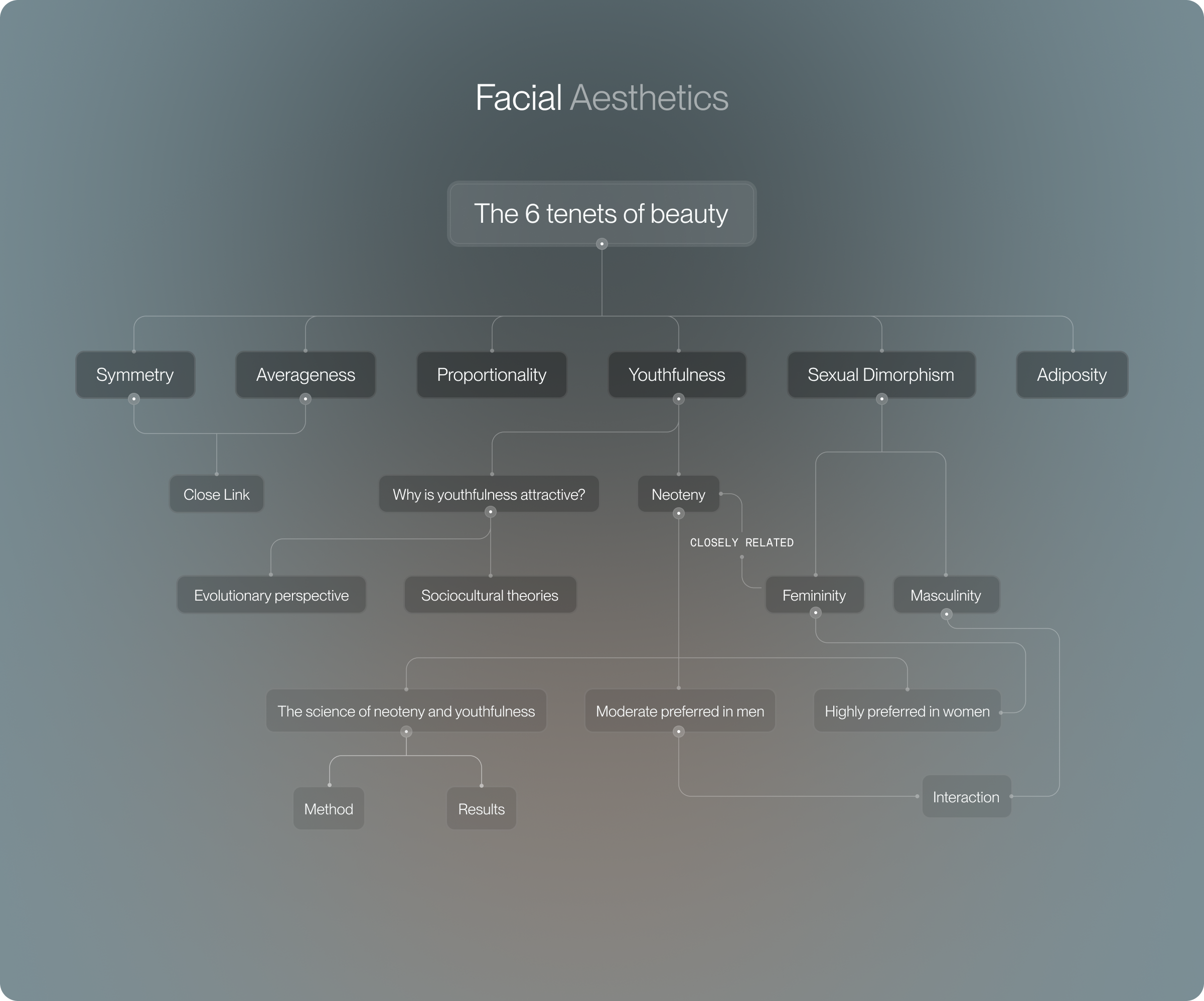
Figure 1.
Abstract
Neoteny and youthfulness are closely related concepts that play a fundamental role in facial aesthetics and significantly influence perceptions of attractiveness. Youthfulness reflects perceived age, defined by cues such as skin quality, scleral brightness, and facial contrast, while neoteny is more specific, referring to the retention of infant-like facial traits in adulthood (e.g., large eyes, small nose and chin, fuller lips). Across different cultures, youthful and neotenous features consistently predict higher attractiveness, perceived health, fertility, and warmth; this is especially true for women. Conversely, “babyface” characteristics can diminish perceived dominance, authority, and competence, particularly in men and in highly competitive environments. This article reviews evolutionary theories, sociocultural explanations, and summarises the evidence regarding neoteny, youthfulness, and facial attractiveness. We highlight the importance of neoteny for both men and women, and carefully outline which infant-like features are considered attractive or not. Overall, youthfulness and neoteny can offer significant aesthetic and social benefits, but there are important gender, cultural, and contextual limitations.


Before
After
Figure 2. Drag the slider to see ageing in action.
QOVES Opinion
Overall, based on the scientific evidence, we see youthfulness and neoteny as important ingredients in facial attractiveness for both men and women. Everyone can benefit from improving general youth cues, especially smoother skin and whiter sclerae.
For women, enhancing the neotenous, highly feminine traits like slightly larger eyes, fuller lips, and a smaller-looking nose and chin, can significantly boost attractiveness while preserving attractive mature features like defined and prominent cheekbones.
For men, mild neoteny can be helpful, particularly if their features are very strong or intimidating. However, pushing too far into a “babyfaced” look tends to hurt male attractiveness. For most, a balanced mix of both mature and youthful cues is best.
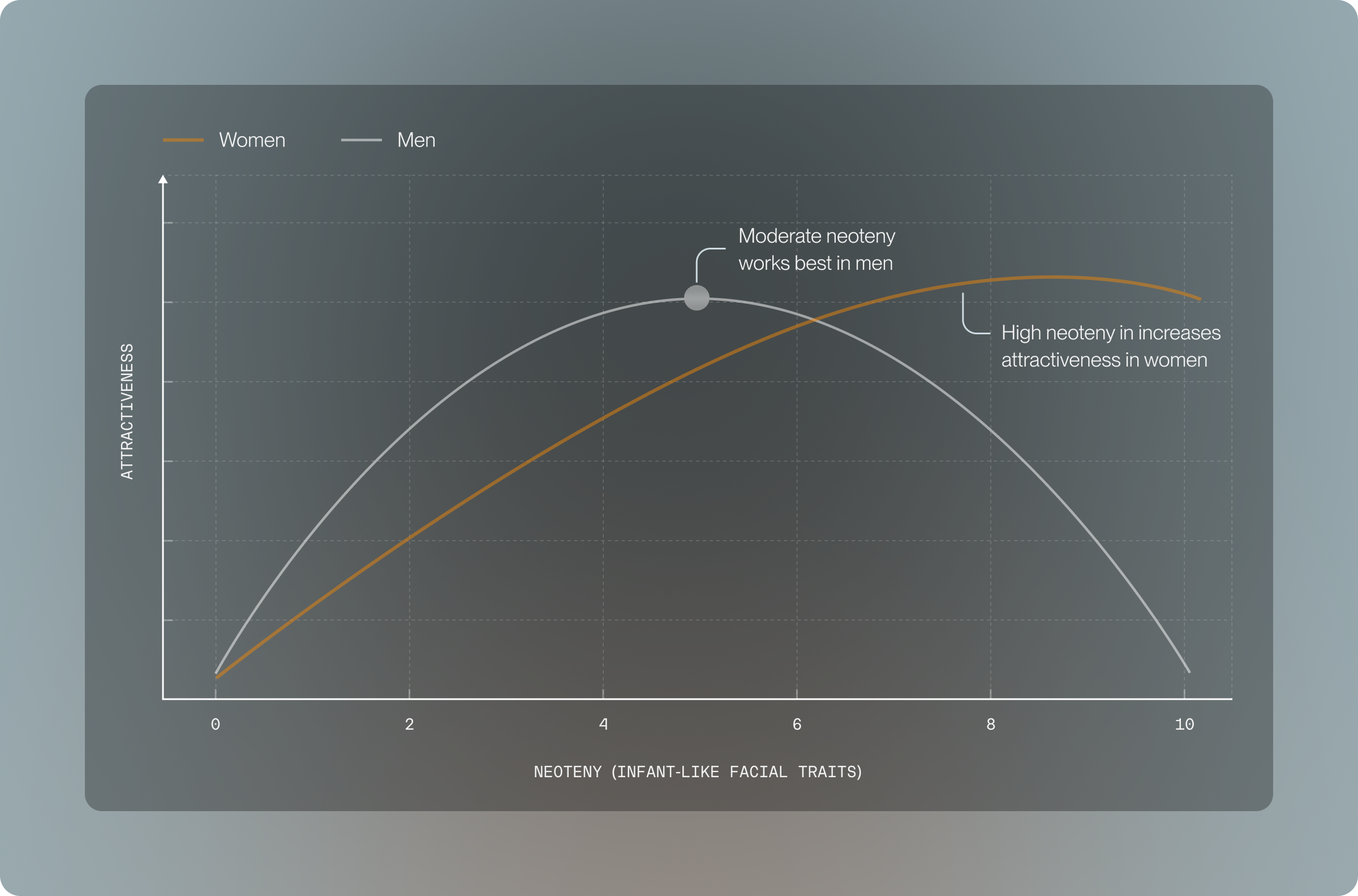
Figure 3. Illustrative graph of the linear relationship between neoteny and attractiveness in women, and the curvilinear pattern for men. Extreme neoteny in women can also be detrimental to facial aesthetics.
What is Facial Youthfulness and Neoteny?
In facial aesthetics research, there is significant overlap between neoteny and youthfulness. However, these two concepts are distinct, and the difference should be clarified.
Youthfulness
This is the broader concept of the two, defined as perceived age or age-related appearance. In other words, it refers to how young an adult face appears, often based on features like smooth skin or sclera colouring (the white part of the eyes). In research, youthfulness is often measured through perceived age ratings (e.g., ’How old does this person look?’). Youthfulness includes but extends beyond neotenous features, which also play a role in perceived age.
The following traits have been associated with youthfulness in facial aesthetics research1–3:
- Skin: Smooth, clear skin
- Eyes: Clear, white sclera
- Hair / Hairline (in men specially): Fuller, denser hair and a less receded hairline are strong cues of youth (lab studies usually crop the hair out to focus on facial features)
- Overall: Higher facial contrast (e.g., darker lips and eyes vs. lighter surrounding skin)

Figure 4. Young male face.
Neoteny
Defined specifically as the retention of infant-like or juvenile characteristics in adult faces. It is also referred to as “juvenilisation” in the scientific literature, and can also be understood as the retention of immature facial traits into adulthood.
Neoteny comes from the Greek words néos (new, young) and teínein (to stretch, to extend), literally “to stretch youth”.
In 1943, Konrad Lorenz established a baby schema and provided an initial definition of facial infant features4. The original cluster proposed by Lorenz is still used to define neoteny, but additional characteristics have been added. According to the classic “Baby Schema” and modern research, we define the following morphological features as neotenous:
- Upper third: Large, broad head; long, portruding forehead.
- Middle third: Large eyes which are lower and wider set (longer distance between eyes); small nose; rounded, chubby cheeks.
- Lower third: Small chin; small mouth.
- Overall rounder face
All of these features are tied to how human (and many other mammal) skulls grow. The cranial vault develops earlier and faster than the midface and jaw, so babies have a relatively large cranium and a smaller lower face. This creates a “top-heavy” facial structure where the upper third dominates and the eyes appear larger within a shorter face, as you can see in the skull diagrams below.
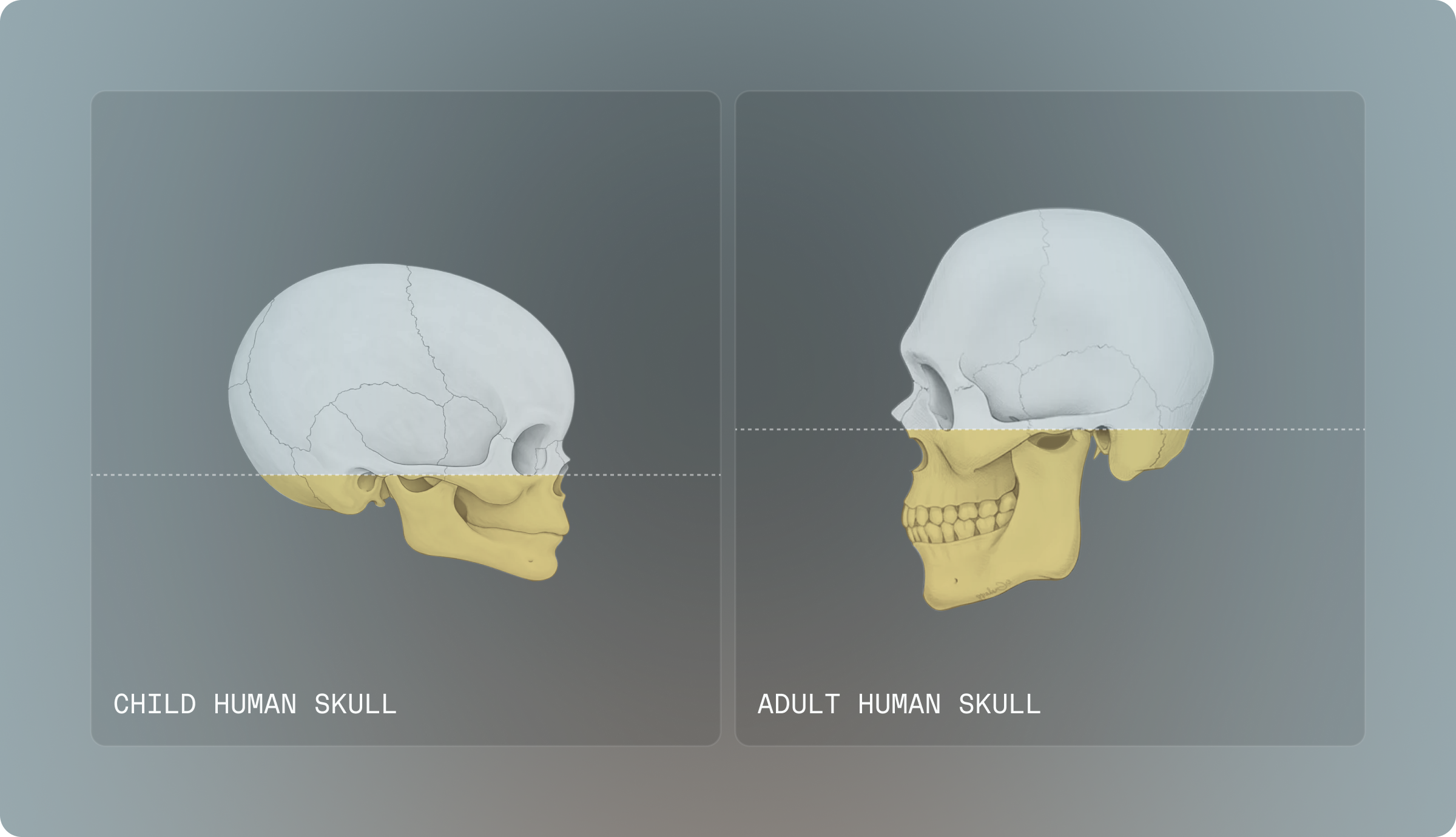
Figure 5.
This pattern is not unique to humans. In other primates you see the same shift from a round, cranium-heavy infant skull to a more elongated, jaw-dominated adult skull. Comparing a baby chimp and an adult chimp, the infant stands out for its proportionally larger upper facial third, while the adult is defined by a more developed lower third and projecting jaw.

Figure 6.
Practical Distinction
Neoteny and youthfulness are often discussed together in scientific papers, and sometimes even interchangeably. However, to be precise, neoteny is a more specific subset of the broader youthfulness concept.
One way to understand this difference is that someone could theoretically have strong neotenous features (large eyes, small nose, etc.) but appear very old due to age-related changes like wrinkles. Similarly, someone can look very young due to high facial contrast and smooth skin despite not having neotenous features, and instead showing a mature facial structure (strong jaw, prominent cheekbones).
In the image below, the man looks old due to wrinkles and gray hair, yet still possesses the neotenous trait of larger eyes and rounded head shape. Conversely, even though the woman possesses a mature facial bone structure, she does not look very old given her clear skin and healthy eyes.

Figure 7.
How is Youthfulness Attractive?
Beauty is often discussed in tandem with youth. Across cultures and time, youthfulness is generally seen as a desired trait in potential partners, and it is, at large, considered a key aspect of attractiveness. Recent work shows that, perhaps unsurprisingly, age is negatively correlated with beauty, as people often find younger individuals more attractive5. But perceived age is also key, as studies show that people generally rate younger-appearing faces as more attractive than older faces6.
For instance, a study by Korthase and Trenholme at Elmhurst University in 19826 showed that younger appearing adults were seen as more attractive than older, more “mature” looking adults. This was true for both males and females, but participants showed greater agreement for what made a woman’s face beautiful, compared to men’s faces. We’ll return to this later; for now, note that the evidence on attractiveness in men is less consistent and more context dependent. The key point here is that the authors showed that, as perceived age increased, perceived attractiveness decreased.
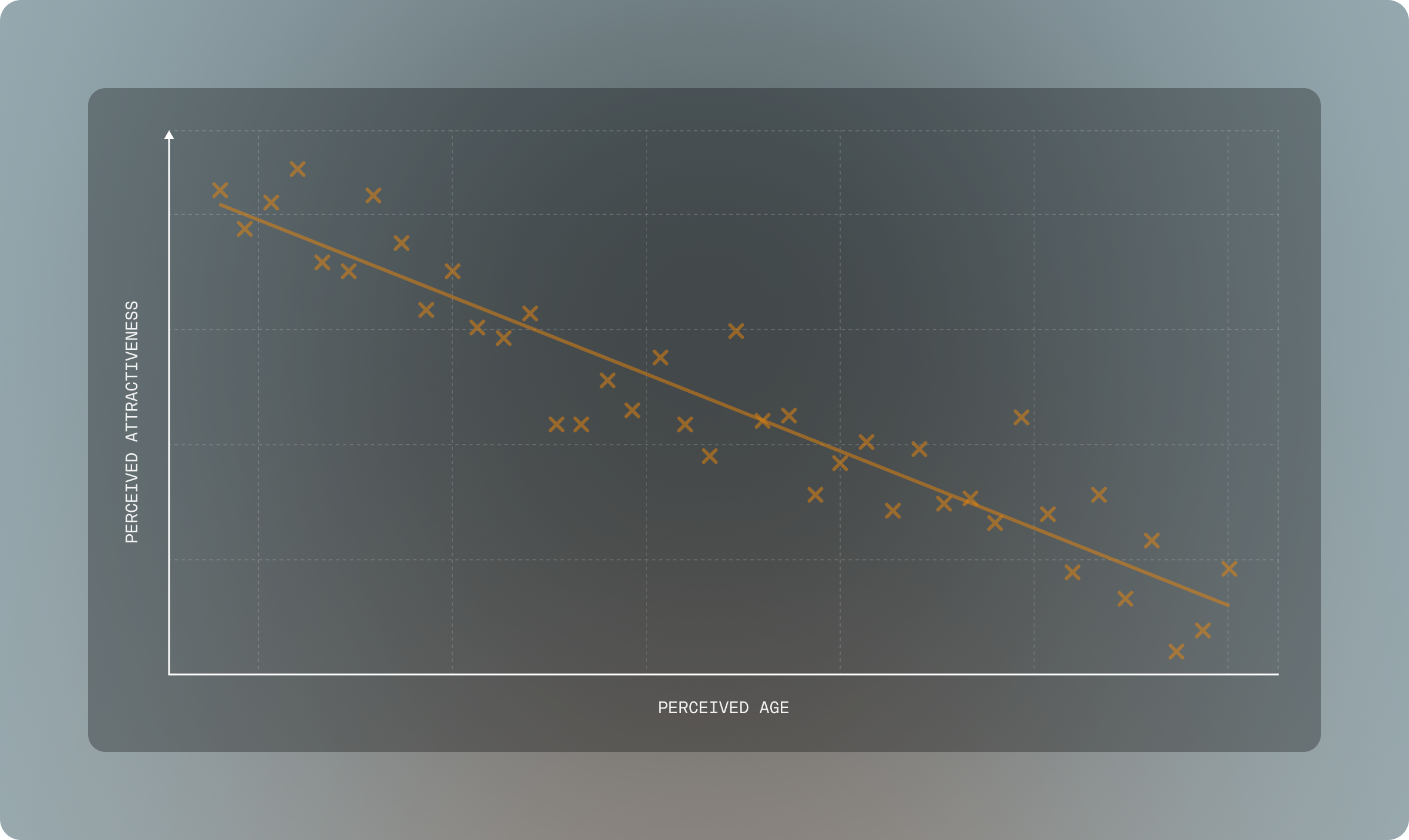
Figure 8. Illustrative graph highlights the negative correlation between perceived attractiveness and perceived age. Faces that are perceived as younger are generally rated as more attractive.
So far, we have established that neotenous features contribute to a younger appearance and that youthfulness is generally an attractive and desired trait. But how do facial characteristics translate into perceptions of beauty?
Nobel-winning ethologist Konrad Lorenz argued that child-like features trigger an innate emotional response in humans4. The precise term (in German) Lorenz used to describe this response was “herzig”, which can be roughly translated as “heart-tugging”, “cute”, or “sweet”. This emotional reaction is also accompanied by a caregiving impulse.
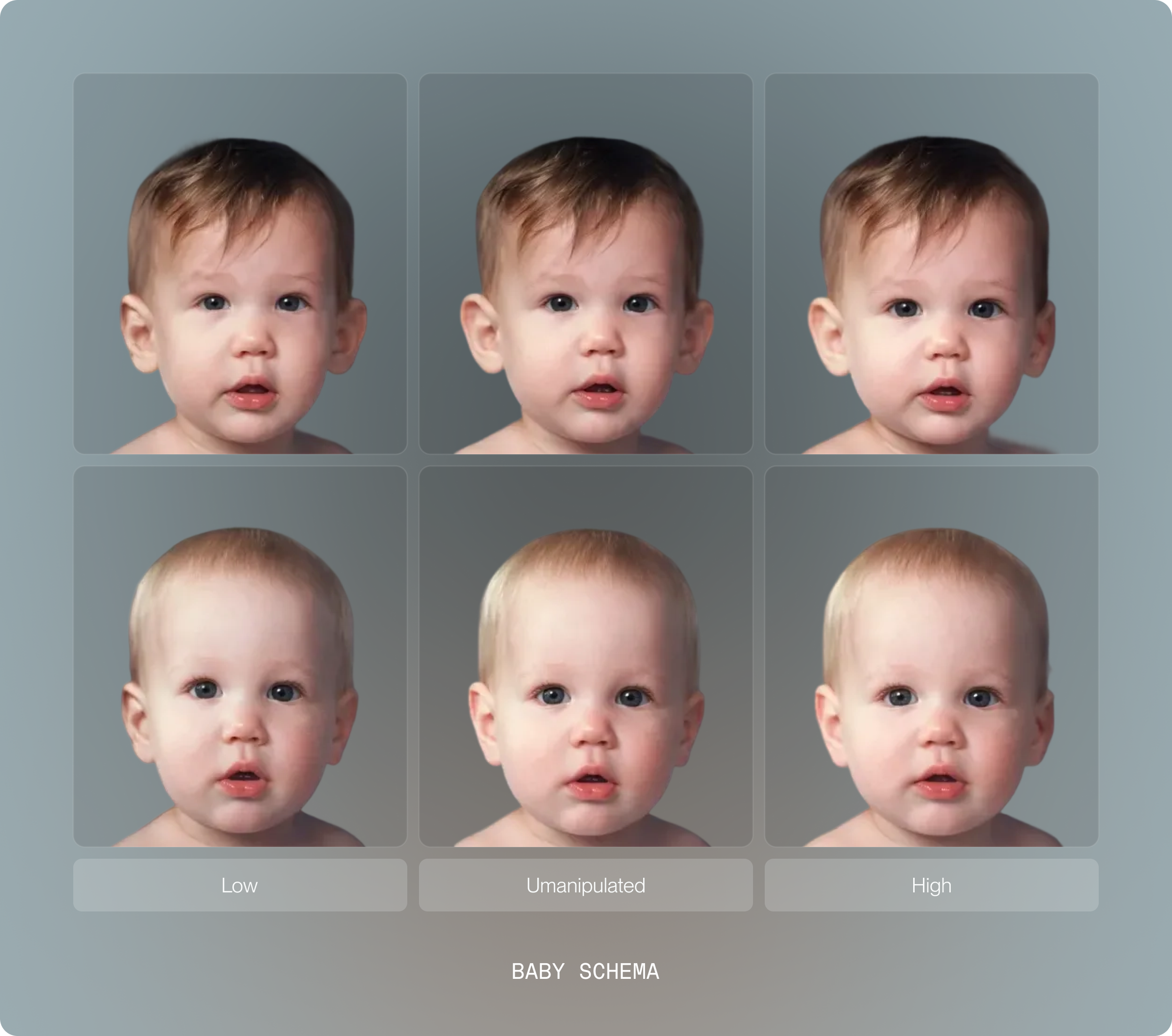
Figure 9. Experimental manipulation of baby faces, images high on ‘baby schema’ are perceived as cuter and younger (taken from Lorenz, 1943).
Lorenz also noted that our response to the baby schema is not limited to human faces. Infant-like traits can trigger a “cuteness” response even when they appear in animals or inanimate figures such as dolls, toys, or cartoon characters.
Notice the facial structure of famous cartoon characters, they all exhibit the baby schema that Lorenz described and the ‘cranium heavy’ feature of neoteny.

Figure 10.
Over 40 years after Lorenz established the baby schema, a highly influential paper by social psychologist Michael Cunningham7 would find a link between neoteny and beauty in females, and flirt with the explanation that neotenous features evoke caretaking responses and thus impact attractiveness. One of the founders of evolutionary psychology, Donald Symons (1979)8, would add to the debate and claim that neoteny was attractive because it signalled youth, health, and fertility. Neotenous traits in men have also been theorised to signal prosocial qualities, cooperative attitudes, and overall desirable behaviours in a partner8.
We explore the most prominent theories in detail in “Why is Neoteny Attractive?”, discussing perspectives across multiple fields and exploring the significant differences between neoteny in men and women.
Benefits of Facial Youthfulness
A youthful or slightly neotenous face doesn’t just change how attractive you look; it quietly reshapes how people read your health, warmth, competence, and status. Many of these effects are cross-sex, but some are clearly stronger for women, so men should consider this section with more caution.
The Health & Fitness Signal.
Perceived age and youth features are automatically perceived as signals of underlying biology. Subtle cues like wrinkles, lower facial contrast, and duller sclera are perceived as signs of older age, and older-looking faces are themselves associated with poorer health outcomes. In lab studies, faces that are manipulated to look older are rated as less fit and less physically capable.
The opposite is true, enhancing neotenous features and youthful traits makes people appear younger, fitter, and overall more energetic.
Women stand to gain more from this health and fitness signal, because female attractiveness is more tightly linked to youth cues9. We hypothesise that men in their midlife and onwards also stand to benefit from this a lot, as looking younger than peers can offset ageist assumptions about stamina and cognitive sharpness.
The Femininity Dividend.
Closely linked to the health and fitness signal discussed, this effect applies exclusively to females. Neotenous features are central to perceptions of femininity (sexual dimorphism), and are perceived to be a strong signal of youth, fertility, and reproductive health. This is why preference for feminine and neotenous traits in women’s faces is universal (’fertility hypothesis’). Even if objective health links vary, the perception of fertility and health in female faces is robust, and perceptions drive choice10,11.
The Age Modifier.
This is very self-explanatory, but enhancing youthful features directly affects age perception. Targeting the traits discussed in this article is a science-based way to change your apparent age. It is common knowledge that youth and beauty go hand in hand, and scientific research supports this idea. Studies show that people generally rate younger-appearing faces as more attractive than older faces12. The keyword here is “appearing”; humans don’t have an exact age-detection mechanism, meaning that it is your apparent age which matters the most, not your chronological age.
The Halo Effect (’What is Beautiful is Good’).
This well-known psychological phenomenon was first defined by Edward Thorndike in 1920 and refers to how one positive attribute (like physical attractiveness) is automatically associated with additional positive qualities and traits13. People with more youthful and attractive faces are rated as more intelligent, sociable, emotionally stable, responsible, and trustworthy, despite a real correlation14,15. The Halo Effect impacts important life outcomes, as attractive people are more likely to be hired, promoted, and receive higher salaries16. In social spheres, they receive more invitations to social gatherings, increasing their social capital and opportunities. Both in professional and social contexts, beauty acts as a general signal of “goodness.” This is one of the most well-supported phenomena in social psychology, and its effect has been established across cultures and age groups.
Given the more robust association of neotenous features with female beauty, it is women who will benefit the most from the Halo Effect. Men can still improve their appearance through youthful characteristics that are not necessarily perceived as child-like (e.g., smooth skin, white sclera).
The Warmth Bonus.
Neotenous or "babyfaced" features (bigger eyes, rounder cheeks, fuller lips) activate the baby-schema system: they spontaneously elicit warmth, help, and protective inclinations4, 7, 17. Our psyche is hardwired to respond to infant-like facial traits with caregiving behaviour. Across cultures, babyfaced adults are perceived as more sociable, friendly, naïve, and approachable than more mature-looking peers. In summary, they seem to evoke the fondness, nurturance, and overall warmth shown to infants.
In keeping with the current theme, these effects are likely to benefit women the most. The above-mentioned traits are socially more valued in women and are generally read as a sign of femininity or softness. Given the expectations for male behaviour, a very infant-like facial configuration can actually be detrimental, as it clashes with other desirable traits. In some scenarios, for instance, where high-trust or collaboration is vital and aggression is a liability, babyishness can be a powerful asset. Apply this knowledge to your specific circumstances. We explore the drawbacks of neoteny in more detail below.
The Helping Impulse.
A “cute” face is not just nice to look at, it tends to create a helping and caretaking impulse. People are naturally inclined to help and take care of individuals with infant-like facial traits. Studies show that faces closer to the baby schema elicit more helping behaviour (altruism), receive more lenient judgments, and are more willing to assist18.
This can look like strangers being more willing to give you directions, help with small favours, or overlook minor mistakes. Teachers, colleagues, or service staff might be more patient or provide more guidance. The “helping impulse” is a subtle, but well-established premium that comes with a more youthful appearance.

Figure 12. Altruism has been consistently linked to perceptions of cuteness and the baby-schema. Image source: https://en.wikipedia.org/wiki/Altruism#/media/File:Belisaire_demandant_l'aumone_Jacques-Louis_David.jpg
The Positive Ageing Cycle.
This is most relevant for readers over 50. In mid- and late age, looking and perceiving oneself as younger than one's chronological age brings several advantages19. A younger appearance reduces negative ageism experiences, like being dismissed or patronised, which positively impacts wellbeing and mental health19,20. In turn, feeling healthier and more engaged can lead to behaviours (staying active, socialising, seeking health care) that help maintain a youthful appearance.
The Professional Vitality Impression.
In many professional environments, youth implies energy, learning potential, and adaptability. Workplace research studies where only facial age cues are manipulated show that older-looking candidates are rated as less fit and less hireable for demanding roles, and younger-looking candidates with the same CV are seen as more physically capable and deemed “a better fit”20.
Related work finds that younger-looking faces are often rated as more trustworthy, especially by older raters21. So, in roles emphasising stamina, innovation, or client-facing energy, looking younger can give both men and women a competence boost, not just an attractiveness boost.
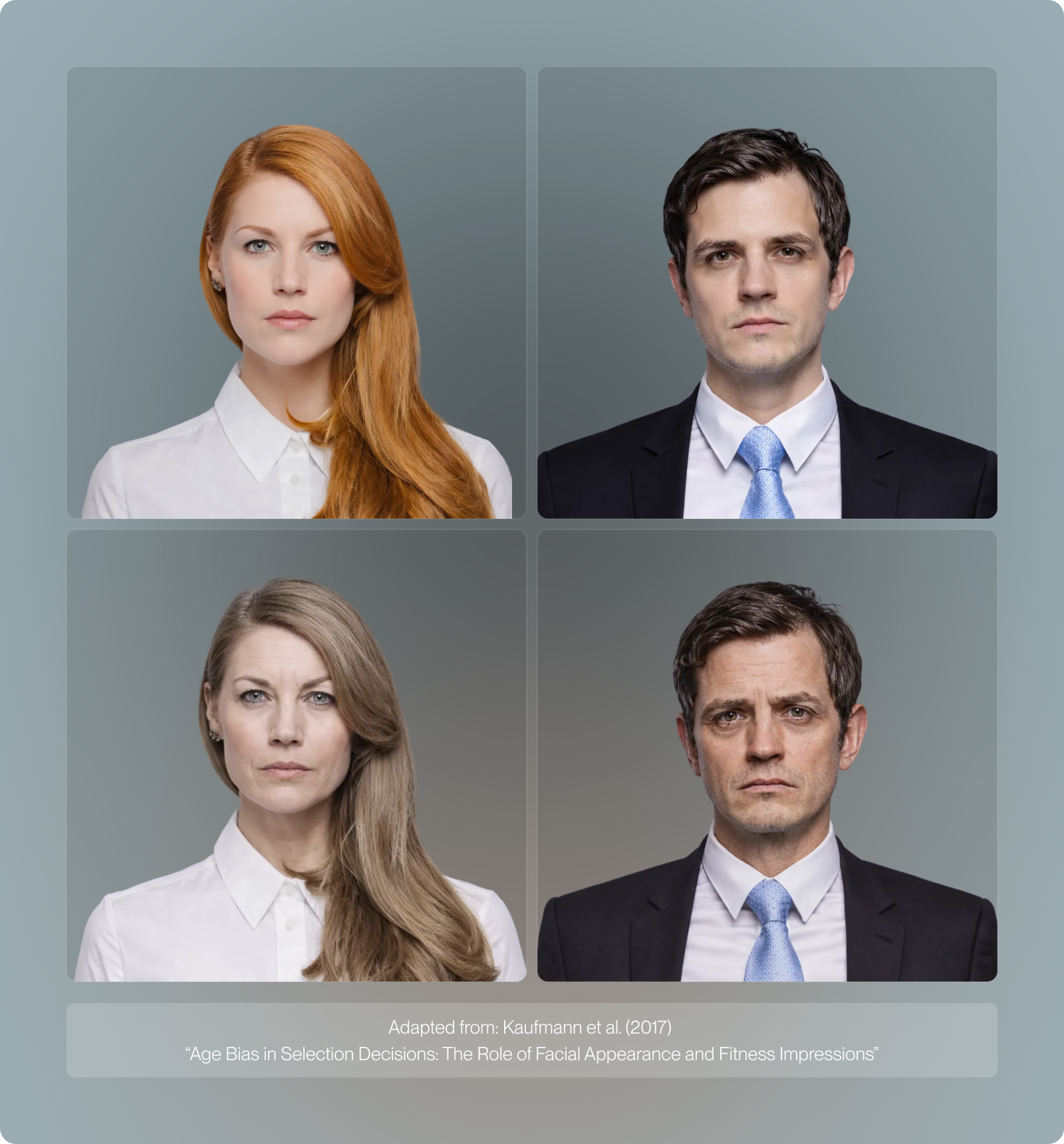
Figure 13.
Context is key, however. In some scenarios, neotenous features can be perceived as less dominant or assertive and hurt perceptions of competence. A famous study found that babyface traits hurt white male CEOs but actually benefit black male CEOs by counteracting stereotypes of threat22.

Figure 13. Babyfacedness is positively correlated with financial compensation and corporate prestige in black, but not white, CEOs. Adapted from Livingston and Pierce, 2009.
Psychological Feedback Loop.
Improving youthful features and enhancing neotenous traits will significantly impact your own perceived age, especially if you’re older. Feeling younger than one’s chronological age is a powerful predictor of better health, cognitive functioning, and lower mortality23, 24. This can be partly explained due to the fact that seeing oneself as younger actually promotes healthier behaviours and resilience25.
The Trade-Offs of a Youthful Appearance
In some cases, a younger appearance comes with drawbacks which should be acknowledged. The same traits that elicit warmth and help can also undercut perceived authority and status, especially for men, given cultural stereotypes and general expectations.
The Naïveté Penalty.
Classic “babyface” research finds that adults with very youthful features or extreme neoteny are stereotyped as more immature and submissive. Babyfaced individuals tend to be judged as less authoritative or capable26. Organisational behaviour studies show that although women can also be penalised for this, the effects are more consistent and powerful for men. In practical terms, if your face reads as “intern” rather than “expert,” strangers may automatically underrate your experience, especially if you’re a man.
The Authority Deficit.
In leadership contexts, looking too young can undermine authority. A powerful study of white male CEOs found that those with babyfaced features were judged as less capable and less leader-like, potentially hurting their career trajectories and undermining confidence in their decisions. The same study found that for black male executives, neotenous traits actually help their performance by softening threat stereotypes22. This clearly illustrates that context matters when considering the effect of youthfulness in professional environments.
A good way to think about this is that at entry or mid-career, looking youthful can boost perceived energy, vitality, and overall fitness. In leadership positions or senior levels, looking much younger than your role can cast some doubts on competence and experience.
The research on perceived age, mature, and neotenous features and their impact in the workplace is highly gender dependent. As we’ve covered, race plays a role, and there are likely many interacting components like work culture, industry, etc. More research is definitely needed in this area, so consider the available evidence with caution and consider your unique circumstances.
Why is Youthfulness and Neoteny Attractive?
After numerous decades of research, youth-related facial cues have been established to be a cue of attractiveness across cultures, especially for women, but also for men to a lesser degree. Throughout the years, scholars from multiple disciplines have provided various explanations for this relationship. Below, we summarise the most prominent theories that attempt to answer why we find youth and neoteny attractive.
Evolutionary Explanations.
The Fertility Hypothesis.
Broadly speaking, evolutionary theories have predominated as the main explanation for our liking of youth. The core idea is that preferences for youthful and neotenous facial traits emerged because they are a signal of reproductive and genetic fitness. To quote the distinguished American anthropologist Donald Symons, “beauty is in the adaptation of the beholder”, meaning that what we are attracted to is an evolutionary adaptation for mate choice8. Within this framework, indicators of youth (including neotenous traits) are taken to be a cue of reproductive potential and fertility.
The Caretaking Response.
A key evolutionary mechanism is that neotenous features elicit caregiving responses. Ethologist Konrad Lorenz introduced the concept of the baby schema (’Kindchenschema’), a set of infant-like features (large eyes, small nose, round face) that automatically elicit caretaking and affiliative responses4. The theory goes that, in humans, retaining these features into adulthood (neoteny) could trigger similar prosocial reactions, signalling warmth, approachability, and attractiveness7. This mechanism complements the fertility-based interpretation: neotenous faces not only signal reproductive potential but also evoke protective or nurturant feelings, making them doubly appealing. But this doesn’t explain the fact that neoteny is much more attractive in females than it is in males (sex asymmetry). A more comprehensive explanation comes from the field of anthropology and the idea of an “age-detection bias”.
Age-Detection Bias.
Strong evidence for an evolutionary explanation comes from a set of foundational studies by Doug Jones, published in the journal Current Anthropology2. Jones wanted to understand why, unlike in many other species, human males appear more concerned than females with a partner’s physical attractiveness. Think of African lions or mandrills; it is the males who display more extravagant or flamboyant morphology, because in those species, females have selected through choice those physical characteristics (some of which are completely unrelated to any advantages in male-male combat).

Figure 14.
In his paper, Jones argues that this is because human fecundity declines much earlier and more steeply with age than male fecundity2. Meaning that the reproductive window is much shorter in women than in men, and, therefore, men must be more careful and tuned in to select partners who fall inside that restricted window if they want successful reproduction. Given this evolutionary pressure, men in particular evolved adaptations to infer or read age from faces. Jones hypothesised that this age-detection perceptual mechanism is vulnerable to bias, and that features that resemble younger faces will be considered more attractive, even if there is no real age difference.
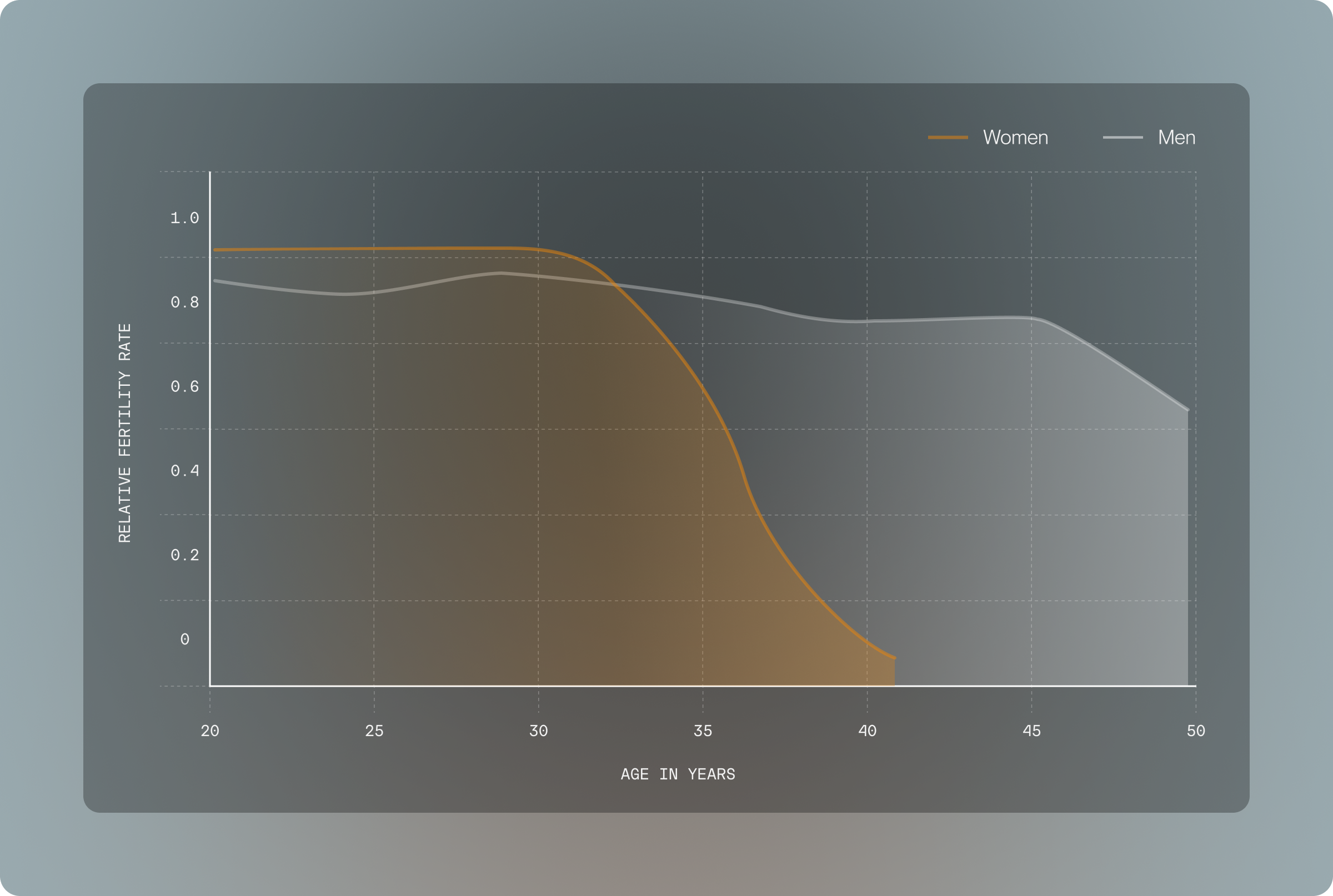
Figure 15. Adapted from the British Fertility Society (https://www.britishfertilitysociety.org.uk/fei/at-what-age-does-fertility-begin-to-decrease/)
Over three different experiments across five cultures, Jones found strong support for his hypothesis. Results showed that female faces that look younger via neotenous features like larger eyes and smaller noses are reliably judged as more attractive, even when you control for age2. In other words, humans are so tuned to detect youthfulness that faces that appear young are found to be more attractive than those who are actually in peak reproductive age. If you’re interested in the details of this paper, we discuss this foundational set of studies in depth in The Science of Neoteny. In summary, Jones concluded that neoteny is a robust component of female facial attractiveness, above and beyond actual age. However, this rule does not apply to male faces, which takes us to our next point.
Multiple Motive Hypothesis.
The inconsistent effects of neotenous features on male faces compared to female faces led social psychologist Michael Cunningham to postulate the “multiple motive hypothesis”27. This hypothesis states that women are attracted to men for multiple and sometimes conflicting reasons. A desirable mate might be dominant and mature to succeed in competition against other men and to provide ecological and genetic resources. At the same time, cooperation, warmth, and overall prosociality are also valuable traits. In this framework, an attractive male face is one with features that display all of these characteristics.
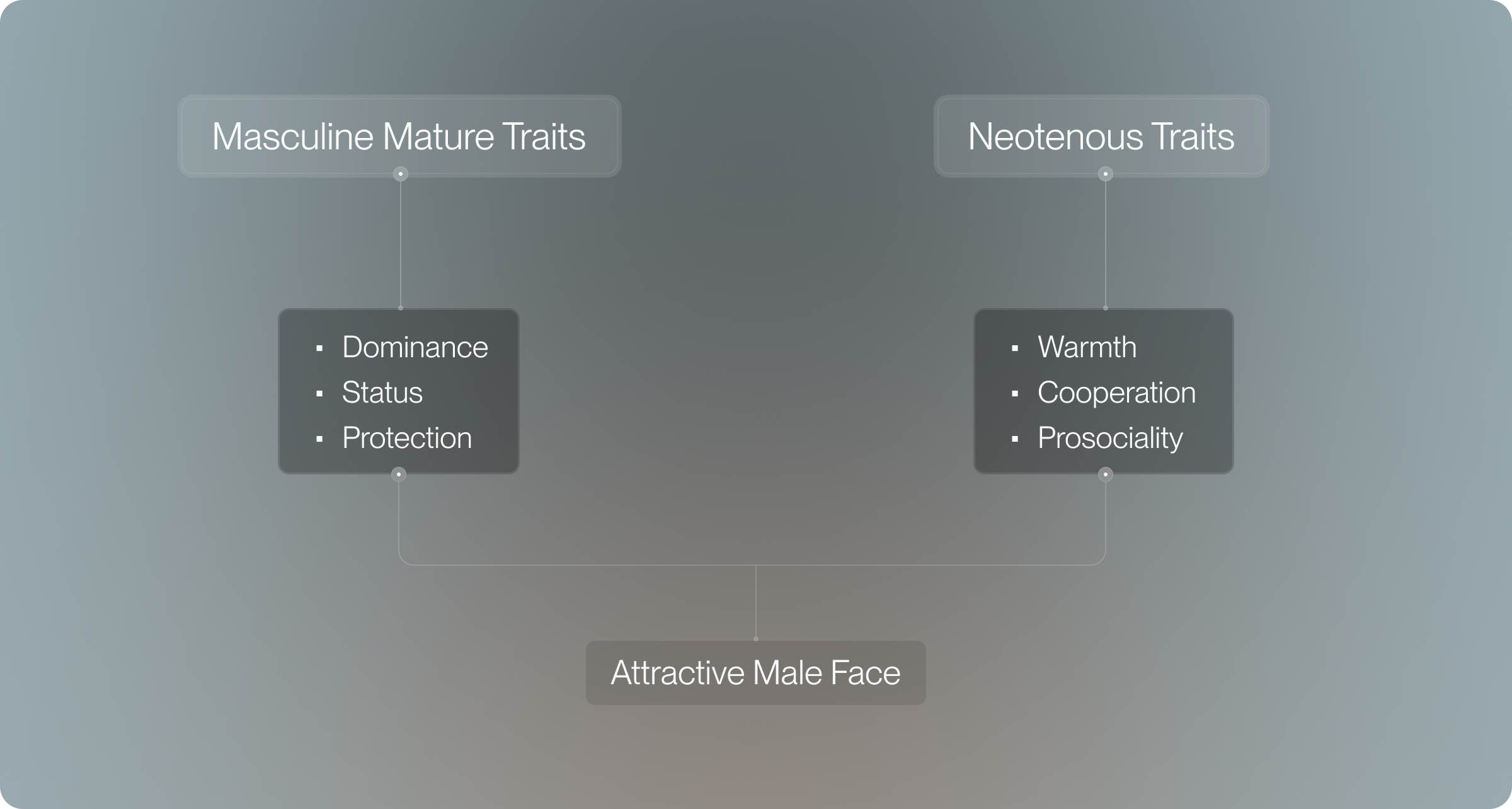
Figure 16.
In a highly cited paper describing three quasi-experiments, Cunningham found strong support for this hypothesis27. The studies showed that women rated men as more attractive if they had a combination of neotenous and mature or masculine traits. Simply put, the ideal male face conveyed both cuteness and ruggedness, dominance and affection.
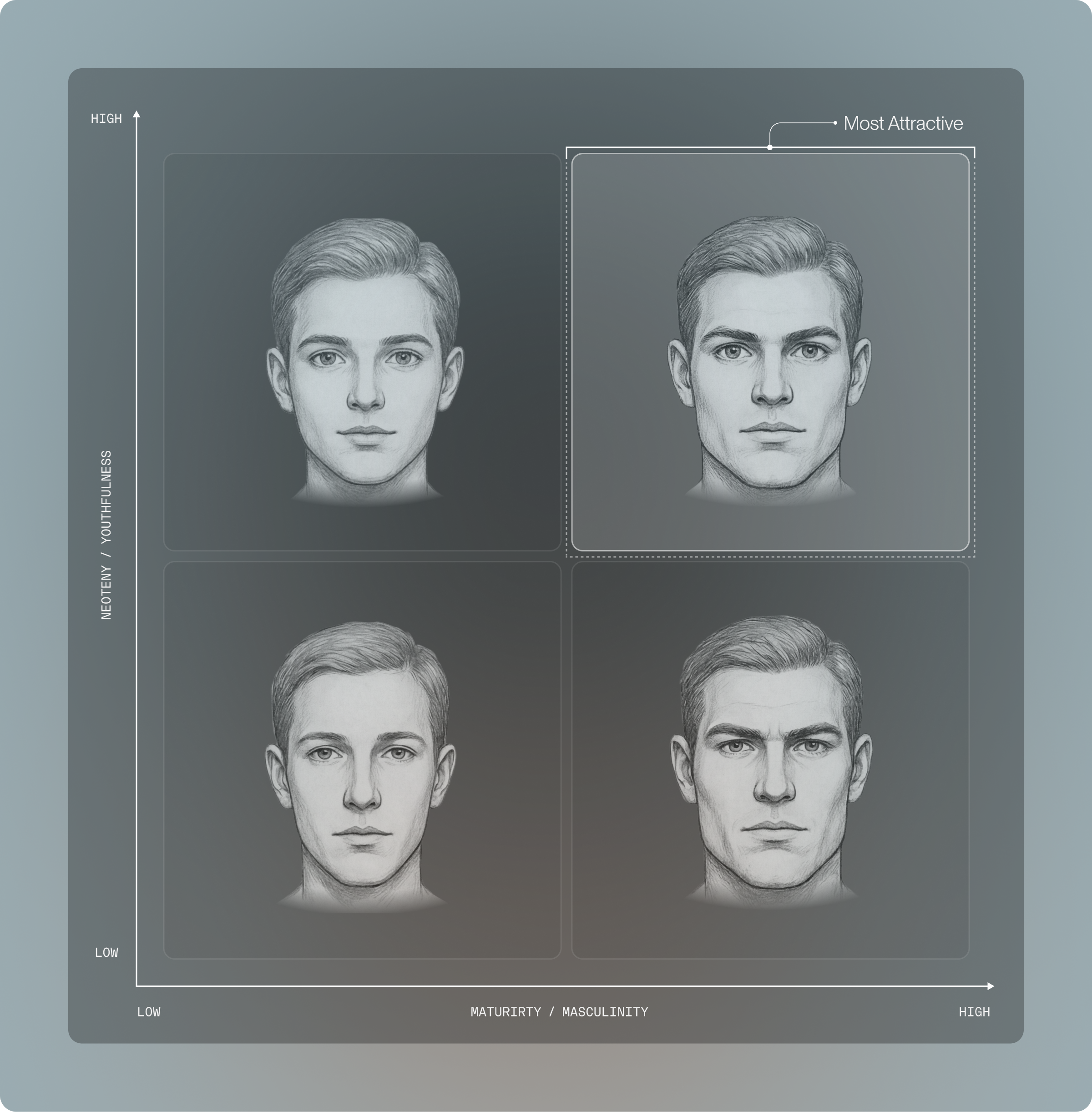
Figure 17.
Social and Cultural Theories.
As of today, evolutionary perspectives have garnered most of the attention and have predominated in explaining the impact of youthfulness and neoteny in attractiveness. However, some authors have also added cultural and social explanations that deserve a mention. It is likely the case that there are multiple factors contributing to the relationship between youth and beauty.
The Dominance-Submissiveness Hypothesis.
Patricia Gowaty, famous for integrating feminist theory with evolutionary biology, argued that men favoured neotenous or youthful traits not because they provided a reproductive advantage, but also because they signalled submissiveness28. She stated that men sought to constrain and restrict the reproductive capacities of women and were overall more comfortable around women whom they could dominate. In this view, a face that conveyed less maturity was perceived as a mate who could be more easily dominated. It’s worth adding that this hypothesis was presented as an alternative to mainstream evolutionary theory, but the two are not mutually exclusive.

Figure 18.
Research has put into question this idea. For instance, studies have found that the ideal partner for teenage boys is actually older than them29. This suggests that males are concerned with peak fertility more than youthfulness and submissiveness.
Learning and Culture.
Studies which establish cross-cultural agreement usually receive a lot of attention because they suggest a universal, biologically driven concept of beauty. However, these studies often find some degrees of cultural variation, which hint at a significant effect of context, culture, and society.
For instance, Kuraguchi and colleagues30 stated that the Japanese cultural context could create an overlap between the idea of cuteness and beauty, because their aesthetic values favour small things. In such a society, neotenous features would be more strongly preferred. Foos and Clark31 found that younger adults showed a stronger preference for youthful faces compared to older adults and argued that this was a result of acquired expertise in perceiving attractiveness across ages. In other words, as we age, our perceptions of beauty can change, and they are not restricted to cues of fertility like evolutionary theory could suggest.
Even the foundational studies by Doug Jones2 showed a stronger preference for facial neoteny in Western observers, and Jones himself acknowledged a population-specific learning effect.
Culture is complex, shaped by countless factors that constantly shift and vary across geography. This makes the topic particularly challenging to study, and more research is needed to clarify how social and cultural influences contribute to preferences for youthfulness.
Nuances
Neoteny Matters More for Women.
Decades of research studies converge on the idea that neotenous features are associated with female beauty. Female faces that look younger via neotenous traits like larger eyes, smaller noses, and fuller lips are consistently rated as more attractive7, 10. Recent studies, such as the one by He and colleagues in 202132, show that women’s ageing affected how men rated their attractiveness more strongly than the other way around. In other words, the maintenance of youthful traits seems to be more relevant for women than men when it comes to attractiveness.
This is, of course, highly consistent with the evolutionary explanations discussed previously (Jones, 19952). Fertility and youthfulness are highly valued in females, whereas for men, additional traits are equally important and are signalled through different facial characteristics.
The fact that there is a sex-asymmetric effect of neoteny and facial youthfulness in attractiveness has produced a scarcity of studies on men. The most relevant and recent studies on this topic have focused on women as targets, and not that many test “babyfication” or the effect of neotenous traits in men.
Neoteny and Femininity.
In women, neoteny and femininity are tightly linked. There is an important overlap between neotenous and feminine facial features, and many of the reviewed research studies treat the exact same traits as either feminine or neotenous. Large eyes, small nose, and full lips are traits that men reliably find attractive in female faces across cultures. This, of course, creates some challenges in the scientific study of attractiveness: Is the retention of infant traits (neoteny) driving beauty? Or is it characteristically feminine traits (sexual dimorphism)?
A good rule of thumb is that some neotenous traits are also more present in women than in men, which makes them feminine traits at the same time. These include large eyes, fuller lips, and a small nose and chin. All of these play an important role in female beauty and are considered both feminine and neotenous. However, prominent cheekbones and high facial contrast, for instance, are an attractive, feminine trait which is not considered neotenous.
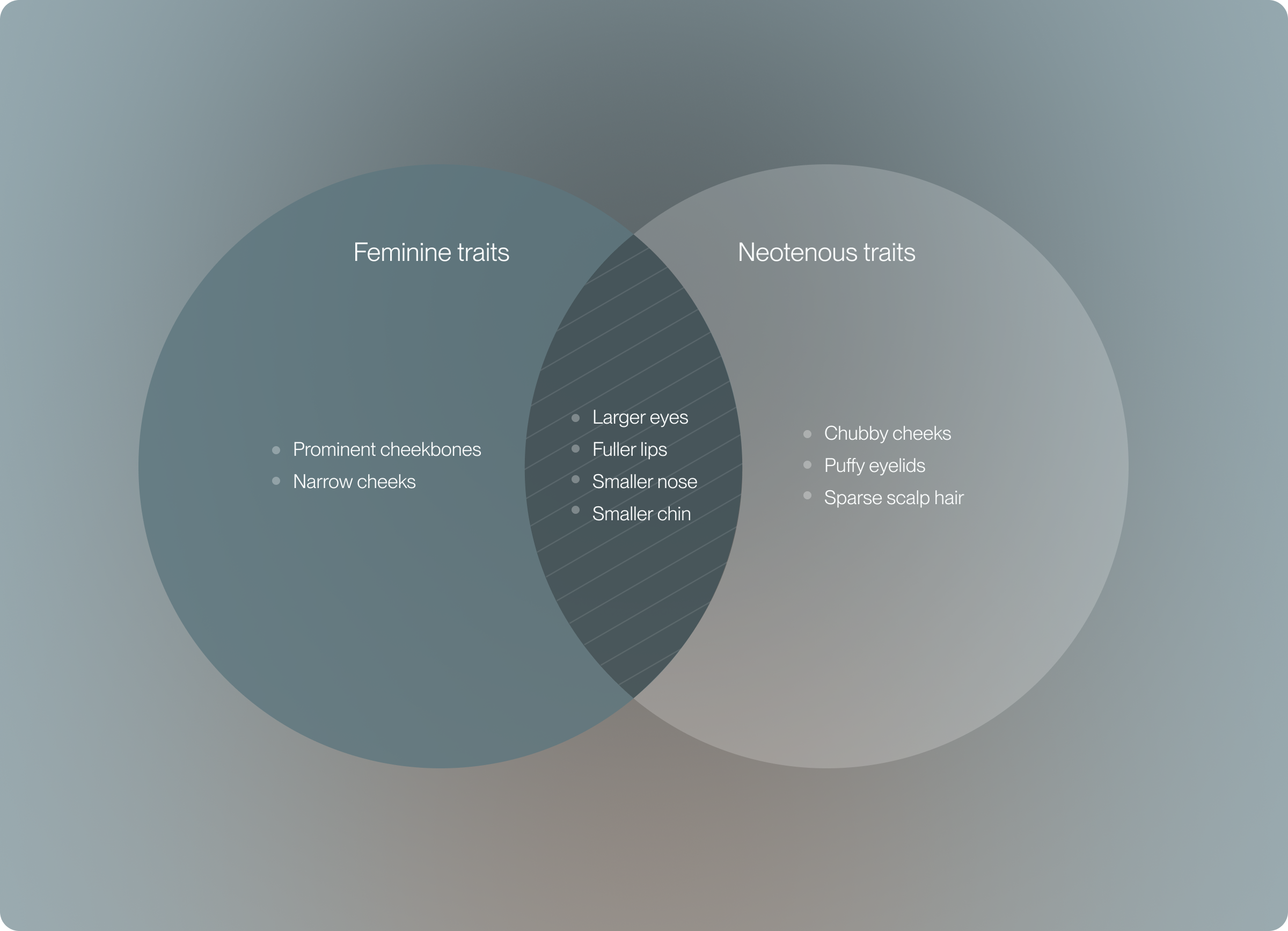
Figure 18.
We’ve mentioned non-neotenous traits that contribute to youthfulness: smooth, clear skin, white sclera, and facial contrast. All of these are relevant for female beauty (while only the first two matter for male beauty) and reinforce this femininity dividend.
In African samples, younger-looking women with more homogeneous skin and lower facial adiposity are judged more attractive, suggesting that youthfulness, skin quality, and slimness contribute to female beauty ideals33. Cross-cultural work on facial contrast shows that higher contrast around the eyes and lips makes women look more feminine, youthful, and attractive in multiple ethnic groups3.
Similarly, whiter sclera makes female faces look younger, healthier, and more attractive1. Together, these findings support a consistent pattern: for women, neoteny and youth cues contribute to facial femininity, creating a powerful composite signal of health, fertility, and softness.
Neoteny and Masculinity.
As we have repeated throughout this article, youthfulness and neoteny interact very differently with masculinity than with femininity. Neotenous cues signal warmth, trustworthiness, and low threat, traits that can be advantageous in cooperative or caregiving contexts or for long-term pair bonding. Studies show that youthful-looking men are judged as more approachable and socially warm30, and older-looking male faces receive lower ratings of fitness and vitality even when age is controlled32.
However, these very same cues can diminish perceived dominance, strength, and authority. These are all qualities tied to highly masculine faces (pronounced brow ridge, jaw width; see Sexual Dimorphism). When youthful cues become too strong, male faces may be read as less competent or less suited for leadership roles, reflecting classic “babyface” stereotypes34.
Non-neotenous youthful cues, that is, clear skin and bright sclera, reap all of the benefits of looking younger without impacting perceptions of masculinity or dominance1,3. With regard to neotenous or infant-like features, moderation is key. As we’ve mentioned, they can signal warmth and other desirable mate traits, and extremely mature and masculine faces are not actually the most attractive (see Sexual Dimorphism). As a rule of thumb, it’s likely worth it to enhance youthful features (non-neotenous) and to find some balance between mature and neotenous facial traits.
Neoteny and Perceived Age.
Broadly, neoteny contributes to a younger look, and enhancing neotenous features will change perceptions of age. However, at least one study manipulating baby-schema traits found that attractiveness increased even though perceived age did not change35. In simple terms, raters found women with neotenous characteristics more beautiful without rating them as younger. It’s worth noting that this study only used a narrow adult range (18-25), but it does suggest that some neotenous cues operate independently of age perception. This means that neoteny is not solely attractive because it makes people look younger; there is something else to it.
When considering larger and more varied samples, younger age always predicts attractiveness. A very recent study by Singh and colleagues in 2024 found a negative correlation between perceived age and attractiveness across 2870 female faces36.
Youthfulness, Neoteny and Health.
Research consistently demonstrates strong connections between youthful facial features, neoteny, and perceptions of health. Studies reveal that neotenous features (e.g., large eyes, small noses, and small chins) significantly predict attractiveness ratings. This effect can be largely (but not completely) attributed to the fact that perceived age and attractiveness have a negative correlation, as younger-looking faces are consistently rated as more attractive36.
Perceived age is critical because it serves as a biological marker of health and well-being. Research shows that age indicators, such as wrinkles, reduced facial contrast, and duller sclera, are associated with poorer health outcomes and higher mortality risk. A large clinical twin study of over 1800 people had independent observers estimate ages based on facial photos. Results showed that those who looked older than their actual age had higher mortality rates and worse physical and cognitive function, even when controlling for chronological age37. What this means is that how old you look is generally related to your overall health, so a 30-year-old who looks 20 is likely closer to 20 in terms of biological age.
It should come as no surprise, then, that youthful and neotenous features are treated as health signals. Younger-looking faces are not only rated as more attractive but also biologically fitter, more energetic, and more physically capable31.
In summary, neotenous and youthful characteristics are strongly linked to perceptions of better health and vitality, which can bring advantages beyond looking better (see Benefits of Youthfulness).
These findings are, of course, consistent with evolutionary theories, which argue that neotenous facial attractiveness provides potential mates with information about phenotypic and genetic quality. The preference for youthful features may have evolved because such characteristics signal extended fertility periods, superior constitution, and longevity. This creates a feedback loop where youthful appearance signals health, which in turn enhances attractiveness and social advantages throughout the lifespan.
Neoteny Across Cultures.
During his time as a visiting scholar in anthropology at Cornell University, Doug Jones published one of the most important papers in the field of neoteny and beauty2. His cross-cultural work is now taken as strong evidence that preferences for neoteny are largely cross-cultural, highly influenced by biological drivers.
In a series of three studies, Jones looked at five very different populations: US Americans, Brazilians, Russians, and two relatively isolated hunter-gatherer groups, the Ache of Paraguay and the Hiwi of Venezuela. Jones measured basic facial proportions (eye size, nose length, lip fullness) and used them to estimate how young a face looked based on its features. Faces that “read” as younger than their actual age were classified as more neotenous.

Figure 20. Aché man (Paraguay - South America) shooting a bow. The Aché people were one of the two hunter-gatherer groups included in Jones’ research. Source: https://en.wikipedia.org/wiki/Aché
The results from his rigorous experiments were remarkable: across all populations, women whose facial proportions made them look younger than their chronological age were rated as more attractive, even after statistically controlling for age itself. In other words, perceived age was more relevant for attractiveness than actual chronological age. The effect for men was weak and inconsistent, fitting the broader pattern that neoteny matters more for female than male beauty.
Jones found both agreement and divergence across cultures. While some universal preferences emerged across all populations, the agreement in attractiveness ratings was much stronger among the three Western societies than between Westerners and hunter-gatherers. Jones reported that the Ache “frequently commented on how ugly Europeans are", mocking their long noses and body hair. This just shows how local aesthetics and ethnic stereotypes play an important role.
Taken together, these findings suggest that a preference for (some) neotenous traits in women is not limited to Western populations. Instead, it looks like a universal human bias which varies in intensity across different cultures.
Neoteny That Doesn’t Help.
Some readers, especially women, may be inclined to think that all features that resemble infant traits can enhance their attractiveness, but this is not true. Many “babyface” traits are not at all related to attractiveness; these have received very little attention in the scientific literature because they don’t seem to have an effect. Very large foreheads, sparse scalp hair, and puffy eyelids are all infant-typical but do not raise attractiveness in adults7.
Women should also keep in mind that high, prominent cheekbones and narrow cheeks are mature and not neotenous traits, which are considered attractive, and present in the most attractive female faces according to Cunningham7.
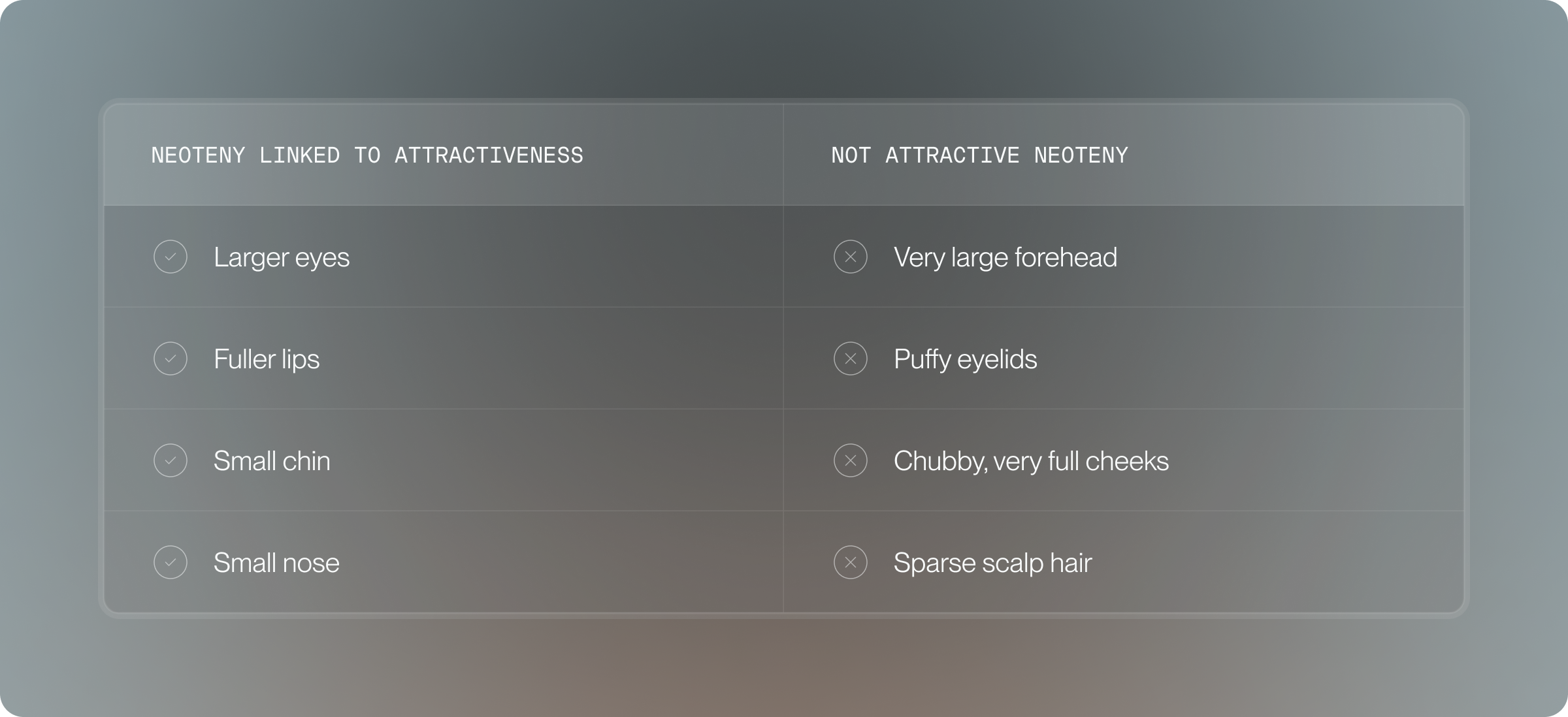
Table 1. Neotenous facial cues associated with perceived attractiveness (left) versus neotenous cues not typically perceived as attractive (right).
The Science of Facial Youthfulness
Although youthfulness and beauty have long been considered to go hand-in-hand, we can trace back its formal origins in the scientific literature to the baby-schema proposed by Nobel Prize winner and ethologist Konrad Lorenz in 19434. This was the first study to argue that specific infant-like features evoke reactions of care and positive emotion. This work did not mention adult beauty in the strict sense, but it is the conceptual predecessor of all later studies on neoteny and attractiveness. The first proper lab studies measuring ‘babyface features’ and attractiveness ratings took place in the 1980s. In 1983-84, Berry and McArthur manipulated infant features and examined their effect on attractiveness and other traits38.
It was Cunningham’s 1986 paper “Measuring the Physical in Physical Attractiveness”7 that really became the landmark study of neoteny and beauty, and it provided robust evidence that female facial attractiveness was correlated with infant-like traits. To understand the science of youthfulness, neoteny, and beauty, we must first understand how these traits are measured and defined.
How is Facial Youthfulness and Neoteny Measured?
The scientific study of facial neoteny and youthfulness employs two primary methodological approaches: experimental manipulation of facial features and assessment of natural faces with varying degrees of neotenous characteristics. Experimental studies allow researchers to establish causality, but they risk studying faces that are not real and relevant. Natural studies have high ecological validity, but without a controlled manipulation, they can only establish correlations, not causality.
Natural Faces.
In his highly cited paper7, Michael Cunningham measured neoteny using 50 photographs: 23 from a college yearbook and 27 from a Miss Universe pageant yearbook (all showing normal clothing and makeup). He converted all photos to black and white, then obtained precise measurements of the relative size of facial features in the photographs. His focus was on neotenous features, as these formed the theoretical foundation of his study. Relative means that the size of the features was corrected by the size of the head. This is an important consideration because the same set of eyes will look very different on a large versus a small head.
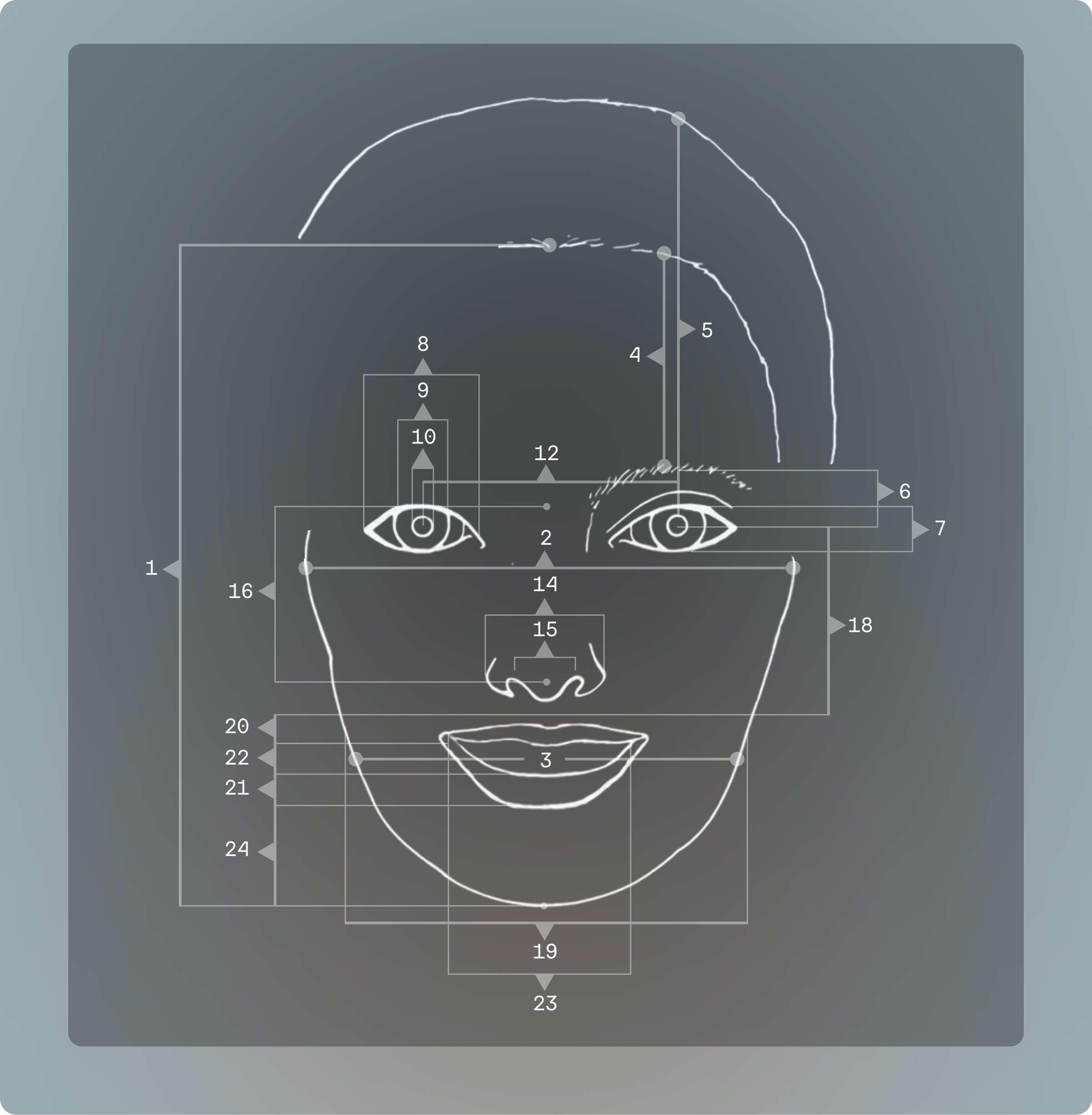
Figure 21. Adapted from Cunningham (1986).
With the advances of technology, modern studies have refined these techniques further. For instance, in 2015, Kuraguchi and co-authors35 used objective facial measurements using Photoshop's measure tool by calculating distances between facial landmarks to assess baby schema features, specifically measuring vertical forehead-to-face ratio and eye size parameters. Whereas earlier studies had humans landmarking facial features, newer research leverages technology for more efficient and objective measurements. The image below is adapted from their original research paper, and it shows the 7 landmarks they used to determine and examine the features of vertical forehead-to-face ratio and eye size, as they are related to the baby schema.
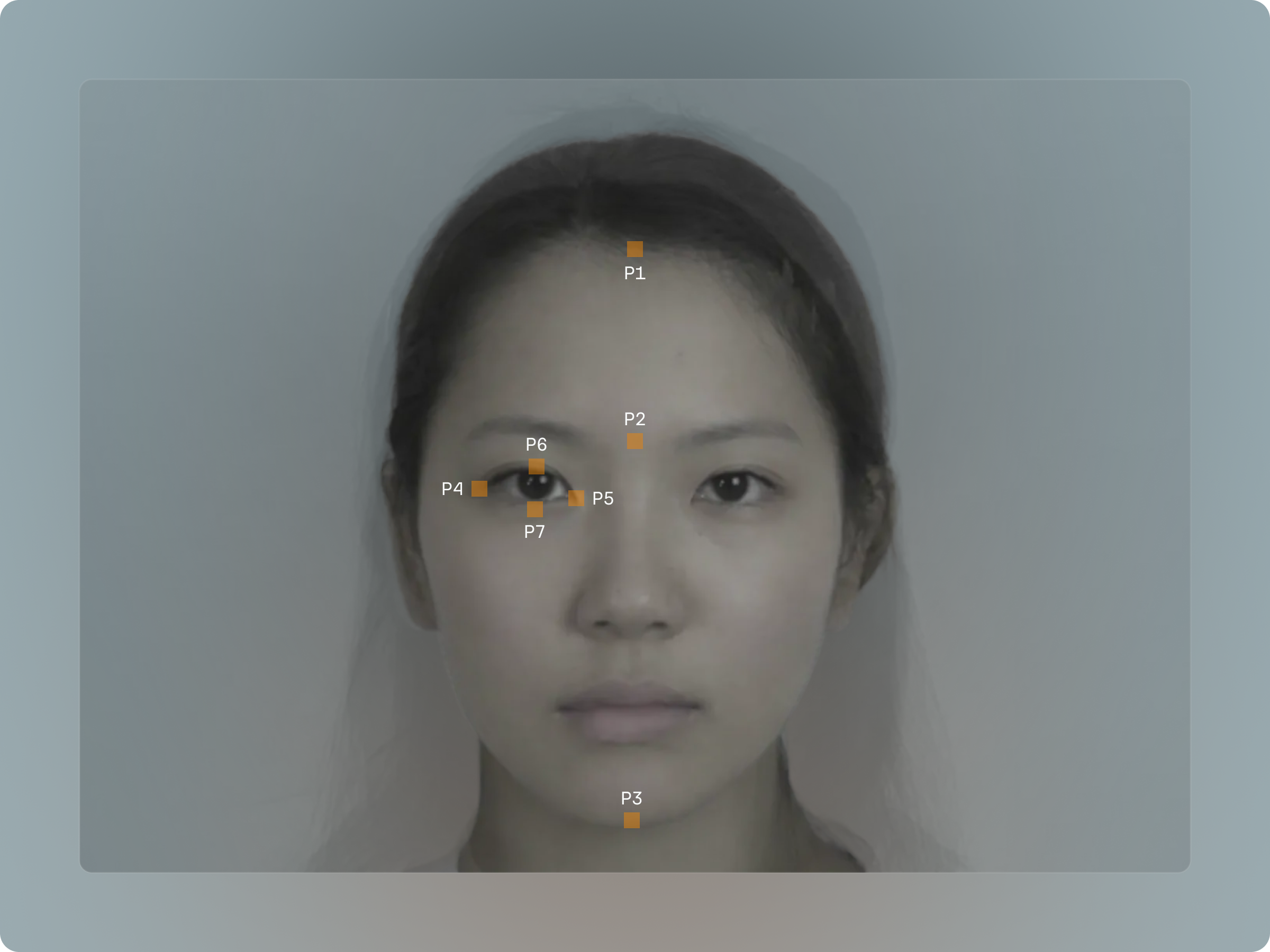
Figure 22. Adapted from Kuraguchi et al. (2015)
Experimental Manipulations.
Beyond assessing natural variations in neoteny, some scholars have experimentally manipulated neotenous traits to examine their precise role in perceptions of attractiveness.
For instance, a study by Furnham and Reeves at University College London39 artificially created three levels of facial neoteny in female faces. The authors used real photographs of women and then digitally manipulated neotenous features (according to the descriptions of Cunningham in 1986). Specifically, they used Microsoft Photo Editor to increase the size of the eyes and mouth and to decrease the size of the nose (all in 5% steps).
Results and Findings.
Neotenous Features Robustly Predict Attractiveness.
Across correlational and experimental studies, adult women with more neotenous facial traits are seen as more attractive35, 39. This effect transcends cultures and borders, as research has shown that across populations, this effect is consistent. Cross-cultural studies by Jones and colleagues showed that, even after statistically controlling for chronological age, men prefer female faces with exaggerated neotenous traits such as large eyes, small noses and full lips2, 40. Classic facial-metric studies by Cunningham also found that larger eyes, smaller noses and shorter chins significantly predicted higher attractiveness ratings in college-aged women7.
The same study by Cunningham found that in comparison to a class of college senior American women, Black and Asian beauty contestants had more neotenous features, including larger eyes, larger lips, and smaller chins. This further supports the idea that what is considered attractive in women across the globe is linked to neotenous traits.
Years later, Cunningham would examine how neotenous traits affect male facial aesthetics. Results showed a more complex, curvilinear profile where more moderate and balanced, rather than extreme, neoteny was optimal27. The authors concluded that some neoteny in men is desirable, but attractive male faces also have more mature masculine traits.
Skin and Eyes as Youth Cues.
Youthfulness is not just about neotenous bone structure, and perceived age is influenced by other traits. A study on African female faces found that more homogeneous skin boosted attractiveness and decreased perceived age33. Ocular cues show the same pattern: whitening the sclera makes faces look younger, healthier and more attractive1, and experimentally brightening the “eye whites” in faces produces consistent gains in perceived youth, health and attractiveness41. Facial contrast (darker eyes and lips against lighter surrounding skin) naturally declines with age in women, and it is thus perceived as a sign of age. A study by Porcheron and colleagues in 2017 found that increasing facial contrast in young, middle-aged, and older women made all of their faces appear younger and more attractive. The effect was consistent across Chinese, African, Latin American, and Caucasian women3.
Sex Differences Summary.
There is robust evidence that perceived age is negatively correlated with attractiveness, as younger-looking individuals receive higher ratings than older peers of the same chronological age6, 31, 36, 42. This “age penalty” is more severe for women than for men, consistent with evolutionary theories that tie female beauty to reproductive fitness and fertility cues. For male faces, youth and neoteny offer warmth and approachability but interact with dominance cues, so overly childlike or “babyishness” can become less appealing17, 27.
Limitations
Youthfulness and neoteny are indeed related to beauty, but the scientific evidence comes with both caveats and limitations that should be clearly acknowledged.
The first caveat is that even in women, where the effects of neoteny are more consistent and robust, some neotenous traits are not correlated with attractiveness: forehead height, full (with more facial fat) cheeks, and puffy eyelids are all technically part of the baby schema but are unrelated to beauty. Indeed, these features could actually hurt attractiveness due to koinophilia, or the preference for average values. Similarly, the mature feminine traits of higher, prominent cheekbones and narrower cheeks were found to be more attractive than their neotenous counterparts. In conclusion, it is not the simply case that more neoteny = more attractiveness, and the relationship is a bit more complex than that.
In male faces, neoteny is not considered to be the sign of beauty like it is for women. We have extensively covered the nuanced interaction of neotenous characteristics with other facial traits for male facial attractiveness. The most attractive male faces seem to combine both youthful and mature signals, signalling both dominance and competence, and warmth and prosociality. As a rule of thumb, a moderate level of neoteny is likely to yield the best results.
An important note is that a lot of what is covered in this article and elsewhere regarding neoteny, youthfulness, and facial aesthetics is based on foundational, but older, research. There are serious limitations and gaps in the literature which limit our understanding of the subject. For instance, most studies use young adult raters, so it is hard to know how preferences change across the lifetime. Similarly, most of the facial stimuli features young adults, which limits generalisability to other populations. Research has largely focused on neoteny in females, and while there is some work that includes male faces, this is much more reduced.
With the development of technology and AI, we would like to see more experimental work carefully manipulating different neotenous and youthful traits in both men and women, to better understand the weight of each facial feature for attractiveness.
Conclusion
Facial youthfulness and neoteny not only contribute to perceptions of “cuteness” or attractiveness. They also influence perceptions about health, fertility, character, and competence. These social advantages are sex-asymmetric: strongest for women and often more ambiguous for men. The evidence shows that younger-looking faces and specific neotenous traits reliably boost attractiveness, warmth, and perceived vitality, yet excessive babyfacedness can undermine authority and leadership. Youthfulness is best understood as one important dimension of facial aesthetics, with important nuances, and not a standalone recipe for beauty. Future work should refine these insights across ages, cultures, and male populations.